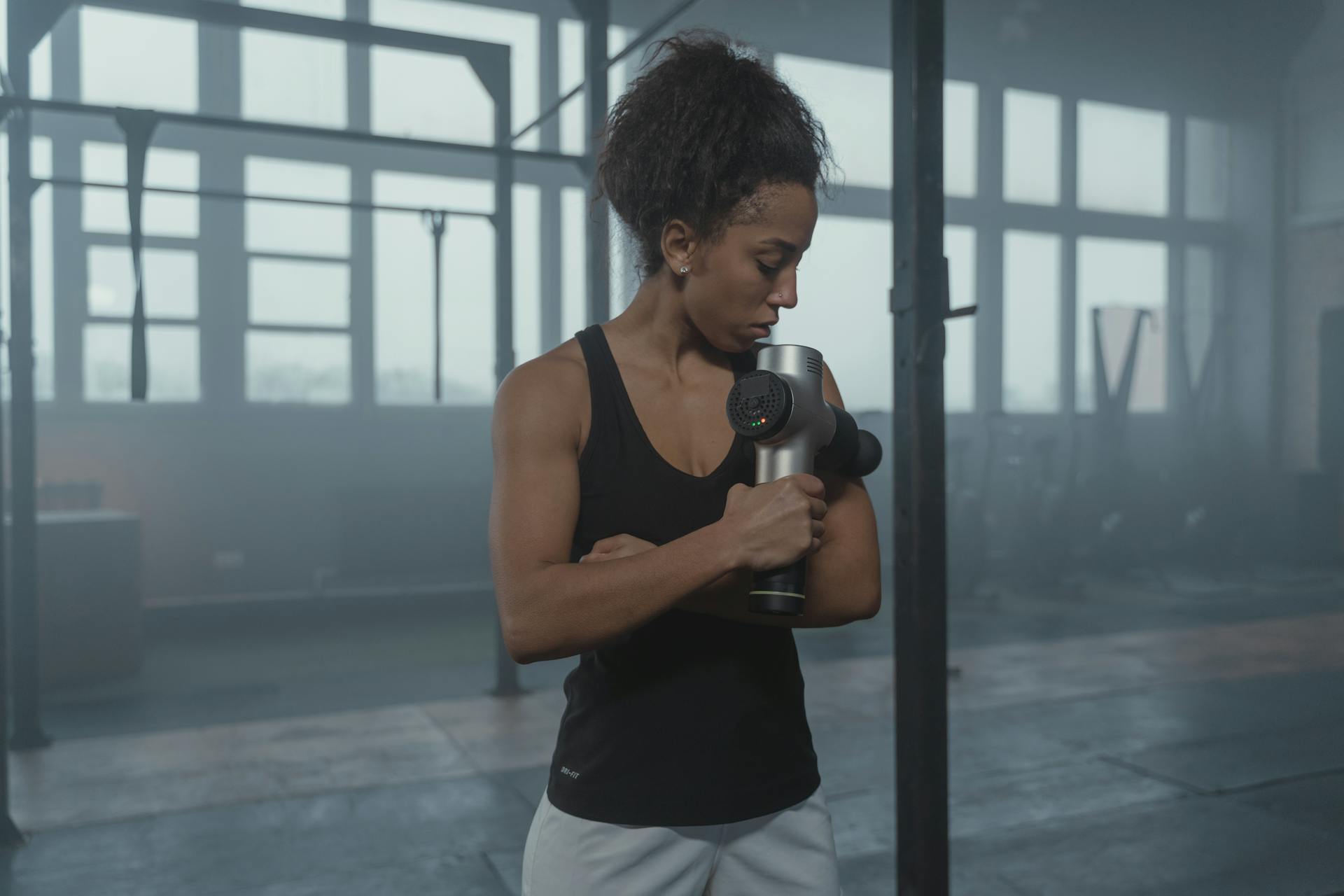
Recovery is just as important as training. Without it, your body can’t repair, adapt, or grow stronger. In recent years, recovery tools have exploded in popularity—but not all of them live up to the hype. Here’s a breakdown of seven tools worth your time and three that may not be worth the investment.
Recovery Tools That Work
1. Foam Rollers
Foam rollers help release tight muscles and improve blood flow. By applying pressure to sore areas, they break up adhesions and support mobility. They’re affordable, easy to use, and backed by strong evidence for reducing soreness after workouts.
2. Massage Guns
Percussion massage guns deliver targeted relief to specific muscles. Research shows they can decrease soreness and improve range of motion when used correctly. They’re instrumental after strength training sessions or intense cardio.
3. Compression Gear
Wearing compression socks or sleeves promotes circulation and helps reduce swelling after exercise. Athletes often use them during travel or after workouts to accelerate healing and enhance comfort.
4. Cold Therapy (Ice Baths or Cold Showers)
Cold therapy helps reduce inflammation and can alleviate soreness after intense sessions. While extreme cold plunges are trendy, even a short cold shower can aid recovery by reducing muscle inflammation and refreshing the nervous system.
Read More: What Really Happens to Your Muscles When You Sleep
5. Heat Therapy
Heating pads or warm baths ease muscle stiffness and promote blood flow. Heat is beneficial for chronic aches or tension that linger after workouts. Alternating heat with cold can maximize benefits.
6. Sleep
The most powerful recovery tool of all is free—sleep. Quality rest fuels muscle repair, hormone regulation, and energy restoration. No gadget can replace a good night’s sleep.
Read More: Fitness Myths You Should Finally Stop Believing
7. Active Recovery
Light movement, such as walking, yoga, or stretching, enhances circulation without taxing the body. Active recovery helps clear metabolic byproducts, such as lactic acid, and keeps muscles supple.
Bonus Tool: Stretching
Gentle stretching helps maintain flexibility and reduces muscle tightness after workouts. While it doesn’t accelerate recovery as much as sleep or nutrition, it helps keep joints moving freely and prevents stiffness that can build up over time.
Recovery Tools That Don’t Work
1. Detox Foot Pads
Despite marketing claims, detox pads lack scientific evidence to support them. They don’t draw out toxins or improve recovery. Any changes you see are simply due to moisture and oxidation.
2. Copper Bracelets
Popular for joint pain, copper bracelets haven’t been proven effective in recovery or pain relief. Studies show no measurable benefits beyond those of a placebo.
3. Oxygenated Water
Drinking oxygenated water sounds promising, but research indicates that the body doesn’t absorb extra oxygen in this manner. Regular hydration with plain water is more effective for recovery.
Bonus: Magnetic Therapy
Magnetic bracelets and pads are often marketed as pain relievers, but scientific studies show little to no benefit for recovery. Any positive effects are more likely due to the placebo rather than physiological changes.
The Takeaway
Recovery tools can help—but only if you choose wisely. Foam rollers, massage guns, compression gear, cold and heat therapy, sleep, and active recovery all have real benefits. Skip gimmicks like detox pads, copper bracelets, and oxygenated water, and focus on what science supports. Your body will thank you for it.