Most people are aware that caffeine can disrupt sleep, but sugar is often overlooked. From late-night desserts to hidden sweeteners in packaged foods, sugar can play a significant role in how well—or poorly—you sleep.
Understanding the relationship between sugar and sleep quality can help you make better choices for both rest and overall health.
How Sugar Disrupts Sleep
Eating a sugary snack before bed might feel comforting, but it sets off a rollercoaster inside your body. Sugar causes blood glucose to spike, followed by a crash that can trigger nighttime awakenings. These fluctuations affect hormones like insulin and cortisol, both of which influence your sleep cycle.
High sugar intake has also been linked to lighter, less restorative sleep. Instead of cycling through the deep and REM stages that leave you refreshed, your body spends more time in lighter stages, leaving you groggy the next day.
Over time, consistently high sugar consumption can even contribute to chronic sleep issues, creating a cycle where poor sleep drives more sugar cravings, which further disrupts rest.
Read More: What Really Happens to Your Muscles When You Sleep
The Role of Hidden Sugars
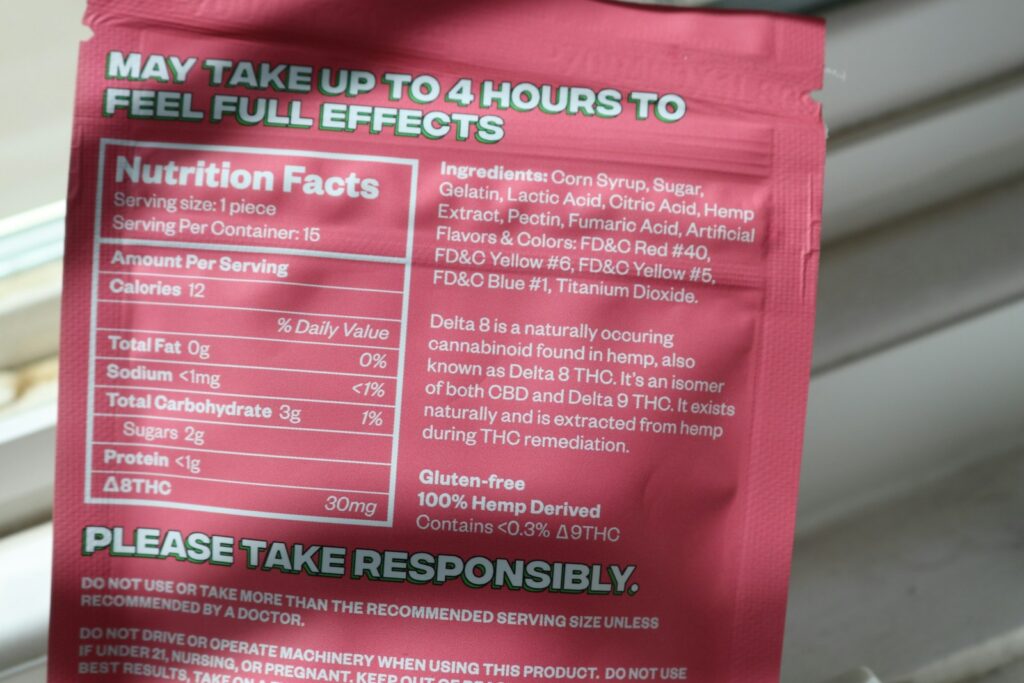
Sugar isn’t just in desserts. Many packaged foods—from sauces and breads to flavored yogurts—contain added sugars that quietly add up. Consuming these throughout the day can impact your body’s rhythm long after dinner is over.
Hidden sugars often appear in foods you wouldn’t suspect, like canned soups, whole-grain breads, pasta sauces, and flavored instant oatmeal packets. Even savory items, such as frozen entrées or crackers, can contain added sugars that quietly add up.
Even “healthy” snacks marketed as low-fat or energy-boosting often pack a hidden sugar punch. Reading labels and choosing whole, minimally processed foods helps reduce the chances of sugar sneaking into your evening routine.
When sugar intake is high late in the day, it can make it harder to fall asleep and stay asleep. Awareness of hidden sugars is one of the simplest ways to protect your nightly rest.
Better Choices for Restful Nights
The good news is that small shifts can make a big difference. Choosing complex carbohydrates, such as whole grains or sweet potatoes, in the evening provides slow-release energy that stabilizes blood sugar levels instead of spiking them. Pairing carbs with protein or healthy fats—such as hummus with veggies or apple slices with nut butter—helps your body feel satisfied and steady through the night.
Limiting desserts or sugary drinks close to bedtime can also improve sleep quality. If you crave something sweet after dinner, opt for fruit or a small square of dark chocolate, which contains less sugar and beneficial antioxidants. Herbal teas, such as chamomile or rooibos, can serve as soothing, sugar-free alternatives.
The Takeaway
Sugar and sleep are more connected than most people realize. High sugar intake—especially in the evening—can disrupt your sleep cycle, reduce restorative rest, and fuel next-day fatigue.
By being mindful of hidden sugars and choosing balanced, nutrient-rich foods, you can improve both the quality of your sleep and your overall well-being.
Read More: Grocery Store Survival: How to Shop for Health Without Going Broke