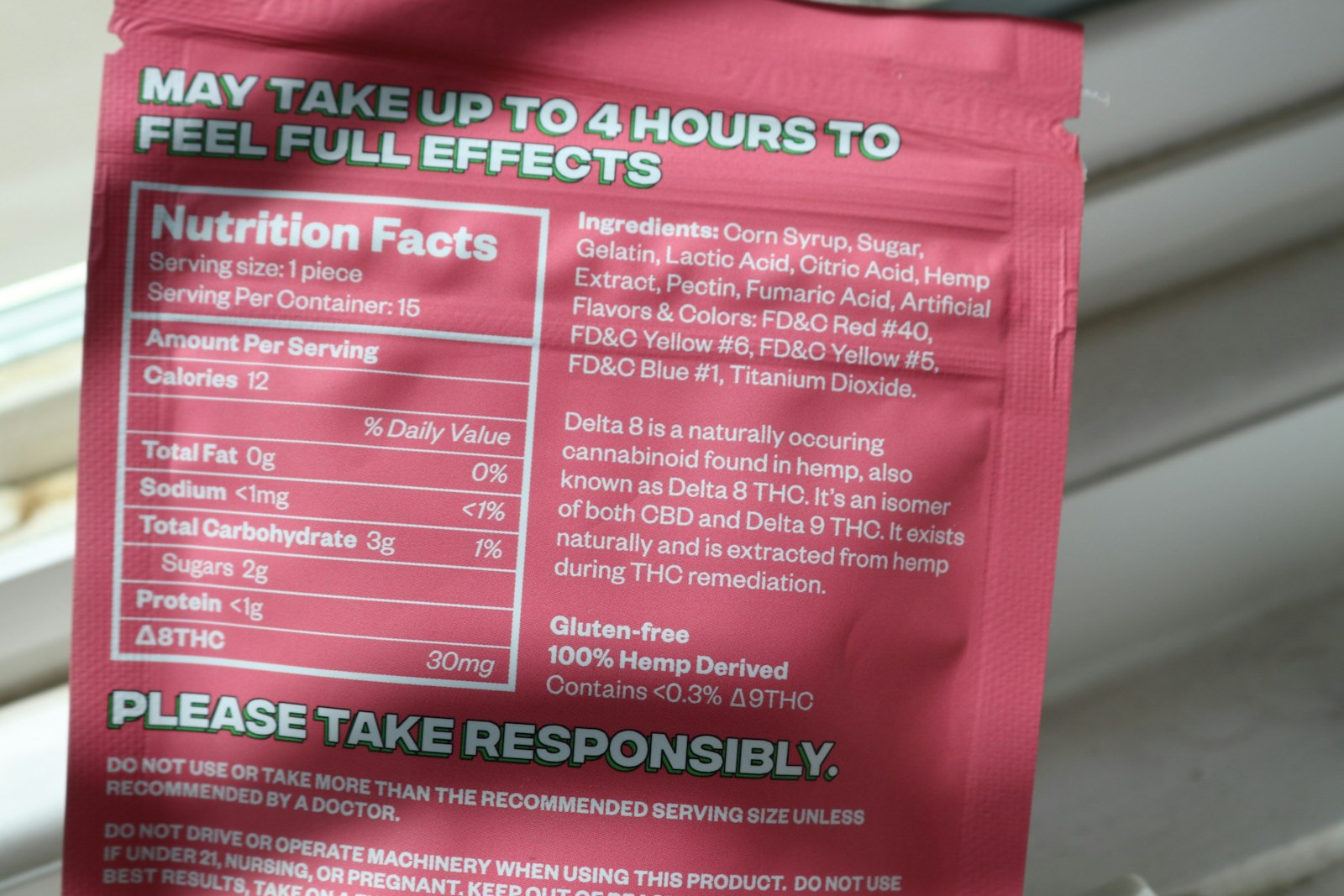
Nutrition labels are designed to help us make informed choices, but they don’t always tell the whole story. Between serving size tricks, unlisted additives, and vague terminology, many products can appear healthier than they are. By understanding what’s missing, you can make more informed decisions and avoid common pitfalls.
The Problem With Serving Sizes
One of the most significant labeling loopholes is serving size. Companies often list unrealistically small portions to make calories, sugar, or fat content appear lower. For example, a bag of chips might say “150 calories per serving,” but the bag actually contains three or four servings. If you eat the entire bag—as most people do—you’ve consumed far more than the label suggests.
This misleading tactic makes it difficult to compare products accurately and can encourage overeating without one’s awareness. Always check the number of servings per container before trusting the calorie count.
Hidden Ingredients and Additives
Nutrition labels list ingredients in descending order by weight; however, not all additives are easily recognizable. Words like “natural flavors” or “spices” can hide dozens of chemical compounds. Similarly, sugars may be disguised under names like cane juice, malt syrup, or evaporated fruit juice.
Artificial trans fats are another example. Even though many labels read “0 grams trans fat,” small amounts can still be present. If you see partially hydrogenated oils in the ingredient list, that’s a red flag. The label may technically be accurate, but it doesn’t reflect the actual content of the food.
Read More: The Truth About ‘Healthy’ Packaged Foods
Nutrient Labels Leave Out
Nutrition facts highlight calories, fat, protein, and a few vitamins and minerals. However, they often overlook essential nutrients that affect long-term health. For instance, added sugars are only recently being required on U.S. labels, and other key markers—such as omega-3 fatty acids, antioxidants, or the quality of carbohydrates—are often missing.
This incomplete picture can make it hard to know if a food supports your overall well-being. A cereal may boast high fiber but also contain loads of sugar. Without context, the numbers can mislead rather than guide.
How to Read Between the Lines
The best strategy is not just to glance at the calorie count but to evaluate the whole label. Focus on:
- Ingredients first: Shorter lists with recognizable foods usually mean fewer hidden additives.
- Added sugars: Aim for minimal amounts, even if they’re listed under different names.
- Fiber and protein: Both help regulate appetite and balance energy levels.
- Serving size honesty: Multiply nutrition facts by the number of servings you realistically consume.
By looking deeper, you’ll get a more accurate picture of what’s actually in your food.
The Takeaway
Nutrition labels can be helpful, but they rarely tell the entire story. Serving size tricks, vague terms, and missing nutrients often make products appear healthier than they are. It’s essential to learn how to read nutrition labels properly and familiarize yourself with the key items to focus on.
By reading nutrition labels carefully and questioning what’s left out, you can shop with confidence and make choices that truly support your health.
Read More: 10 Tiny Food Swaps That Lead to Big Health Changes